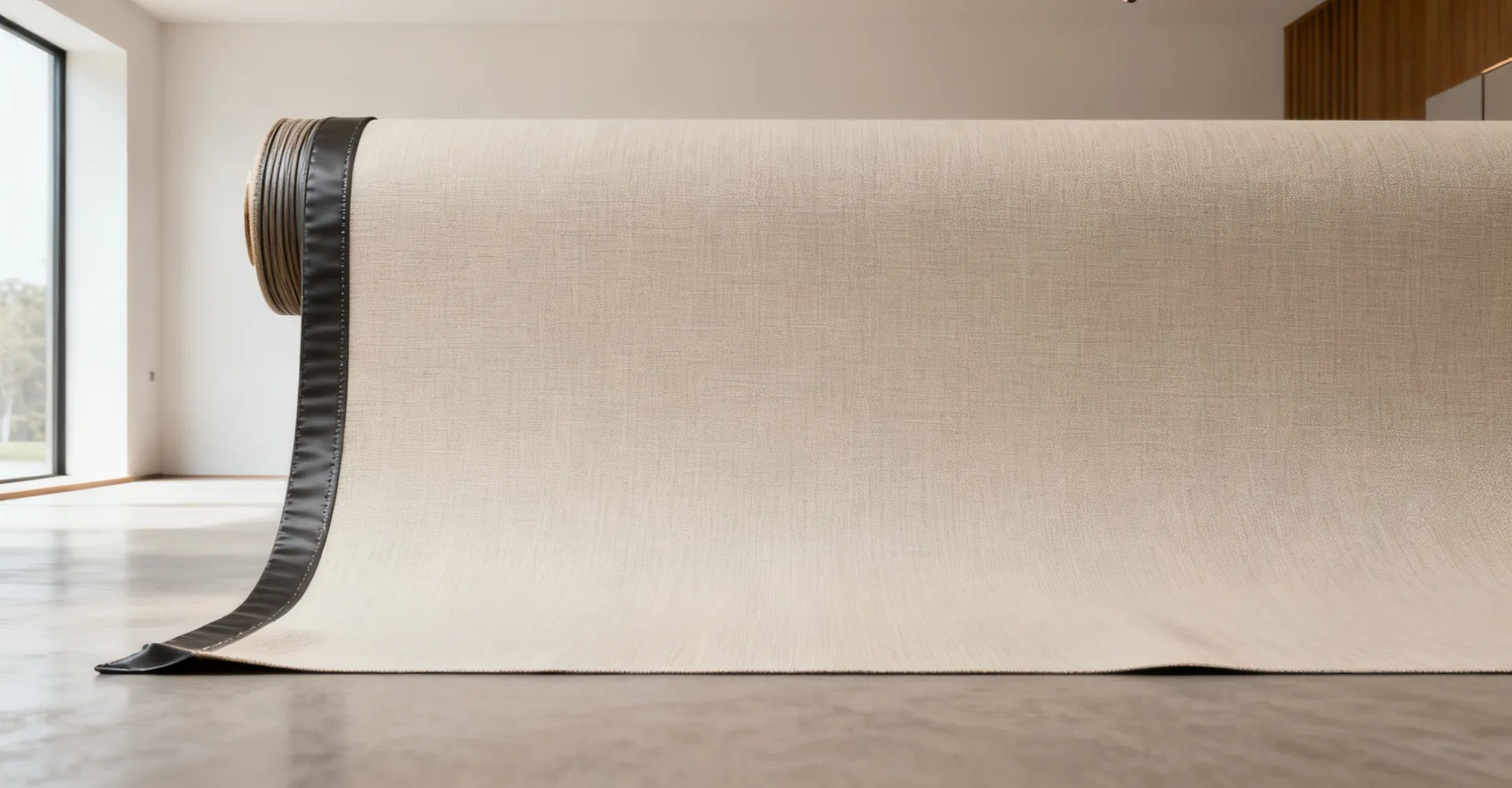
full-width outdoor laminate roll in a material studio with a membrane edge visible

Material to application

Sympatex — Read water and vapor as separate questions

Discuss your fabric requirements

Evidence stack

Method

Write the standard title, the edition, and the conditioning before two sympatex membrane reports are placed in the same column. If the sheet cites the standard textile atmosphere, the reference point is 20 °C and 65 % relative humidity, commonly printed with tolerances of ± 2 °C and ± 4 % RH. Copy the edition on the sheet. Hydrostatic head, water vapor transmission, and air permeability stay on separate rows even when the outdoor end use is the same.

Sample state
A loose membrane coupon, a laminated face fabric, and a taped seam can answer different questions even when the method name looks similar. Lamination, a face coating add-on, and seam slippage are separate construction notes. A flat coupon does not describe flex at a taped join.
Scope
The number belongs to the construction named in the report. Fiber composition, batch traceability, and shade band stay with that construction. A brand word on its own does not extend that number to every outdoor textile, and this page does not publish a mill result.

Material scope

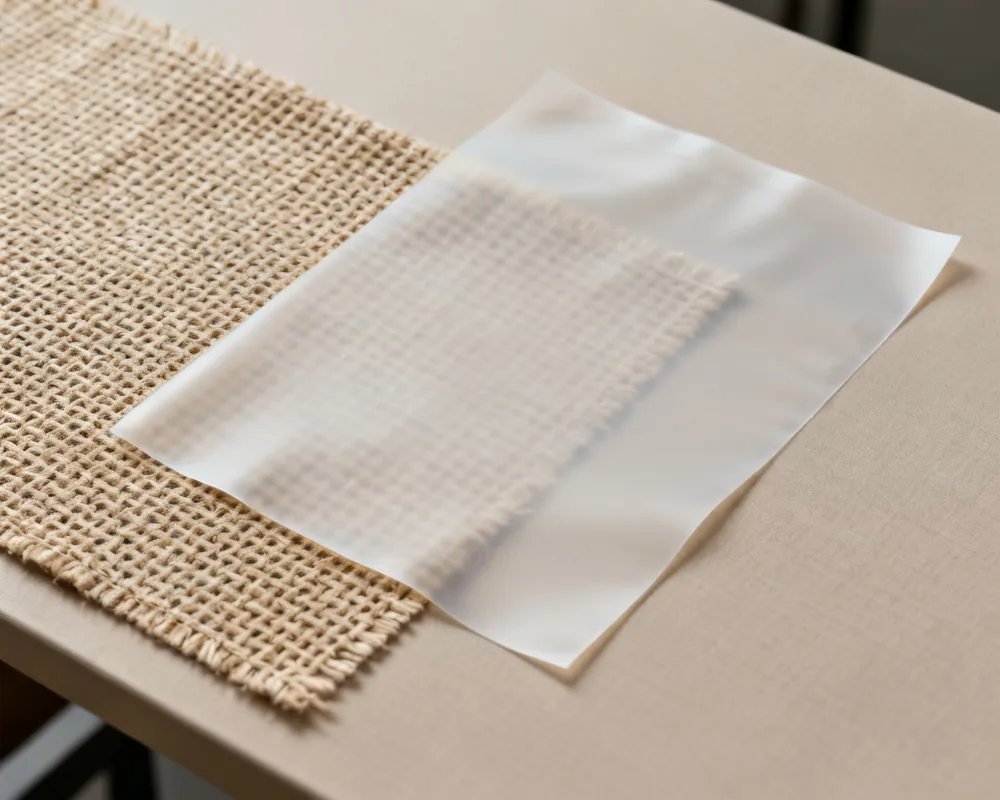
unbranded waterproof breathable membrane sheet beside a face fabric

Membrane comparison

Start with the film or membrane layer, then record the face and backing when they are part of the specimen you intend to approve. Note weave construction or knit, and whether warp and weft belong in that face note.

View material scope
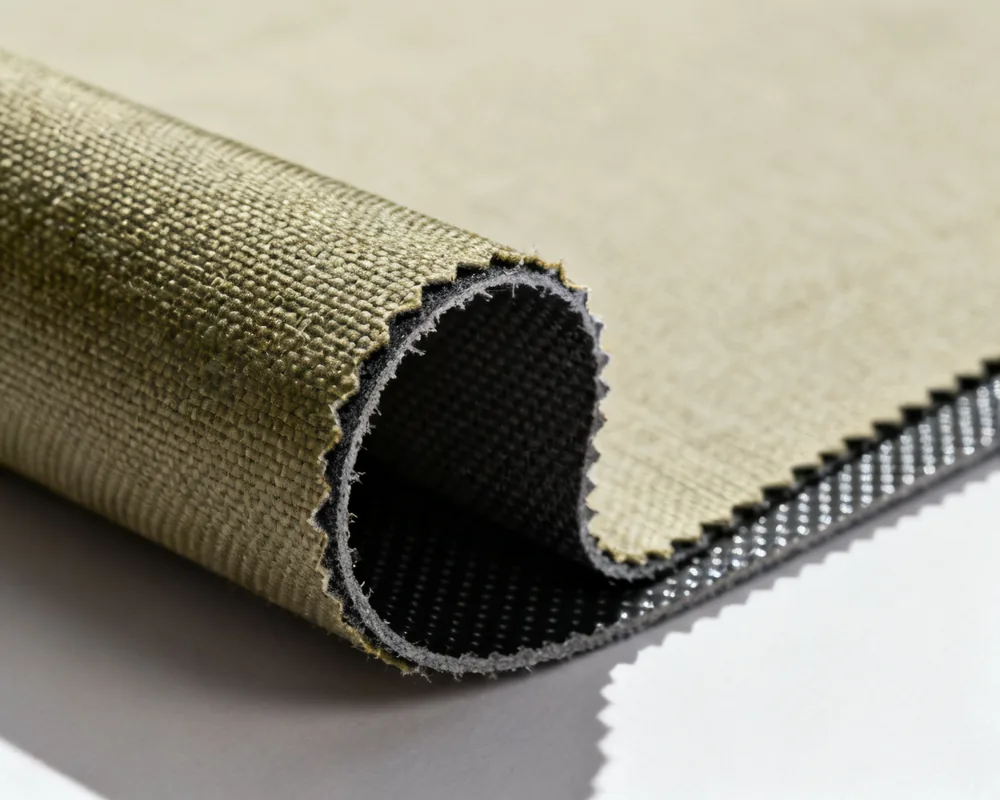
cut edge of an outdoor laminate showing face, membrane, and backing

Laminate build

Face hand, membrane continuity, and backing support are three notes. Bond compatibility is a fourth note, not a guess from the end use. Tear strength and tensile strength, when the brief needs them, are further rows with their own methods.

View material scope
Material brief

Questions before a comparison

Fields to agree; no product performance is implied
Field Target question Evidence question
Composition Which fibre or polymer is declared in the face, membrane, and backing? Which document names that blend, and does it match this construction?
GSM Is the mass target for the membrane, the laminate, or the face alone? Which specimen and method produced the mass figure?
Usable width Where does the cuttable area stop relative to the selvedge? Is the width a roll agreement or a sample-width observation?
Finish Is the surface a face finish, a membrane, or a bonded laminate? Was the tested piece already finished, washed, or still a lab coupon?

Match the application

Fabric selection questions

Why can the same GSM hide a different laminate?
Mass per square metre, reported as GSM in g/m², does not record yarn count, face weave, membrane thickness, or bond. Denier is grams per 9,000 metres and dtex is grams per 10,000 metres; do not convert one into the other unless the report names the unit. Keep fiber composition on its own line and reconcile the declared parts to the whole mass.
What should a sympatex fabric sample note include?
Identify the reference piece, the face and backing if present, the usable width you care about, and whether you are judging hand, shade, or a named test. A lab dip is a color submission, not a bulk shade band, and it is not a colorfastness result.
When is a waterproof label not a vapor result?
Liquid resistance and water vapor transmission use different apparatus and different specimen conditioning. Worked reading, not a client trial: the background is two sheets that both mention water for one shell laminate; the process is to park hydrostatic head beside its method, pressure, and wetted face, and to park vapor movement beside its gradient and conditioning, including 20 °C and 65 % RH when the sheet states that atmosphere; the result is an open vapor row when the specimen map is missing, rather than a guessed figure.
Coating or lamination: which comparison is useful?
A coated substrate asks for coating add-on, adhesion, and how the hand changes. A laminated construction asks for the film, the bond, and whether peel was read on the same specimen state. Neither build is a universal upgrade. Match the build to the rain, vapor, and sewing constraints you can name.
Does a higher abrasion number settle hand?
Abrasion resistance needs a method, an abradant, and an end point. Hand, pilling, and shade are judged on the cutting. A durability target and a comfort target can point at different faces. This page does not rank them and does not publish a pass-fail cycle count. Stretch recovery, if the shell must return after flex, is yet another method row.

Need help reading a specification?

Send the method name, the specimen condition, and the construction the report actually covers.